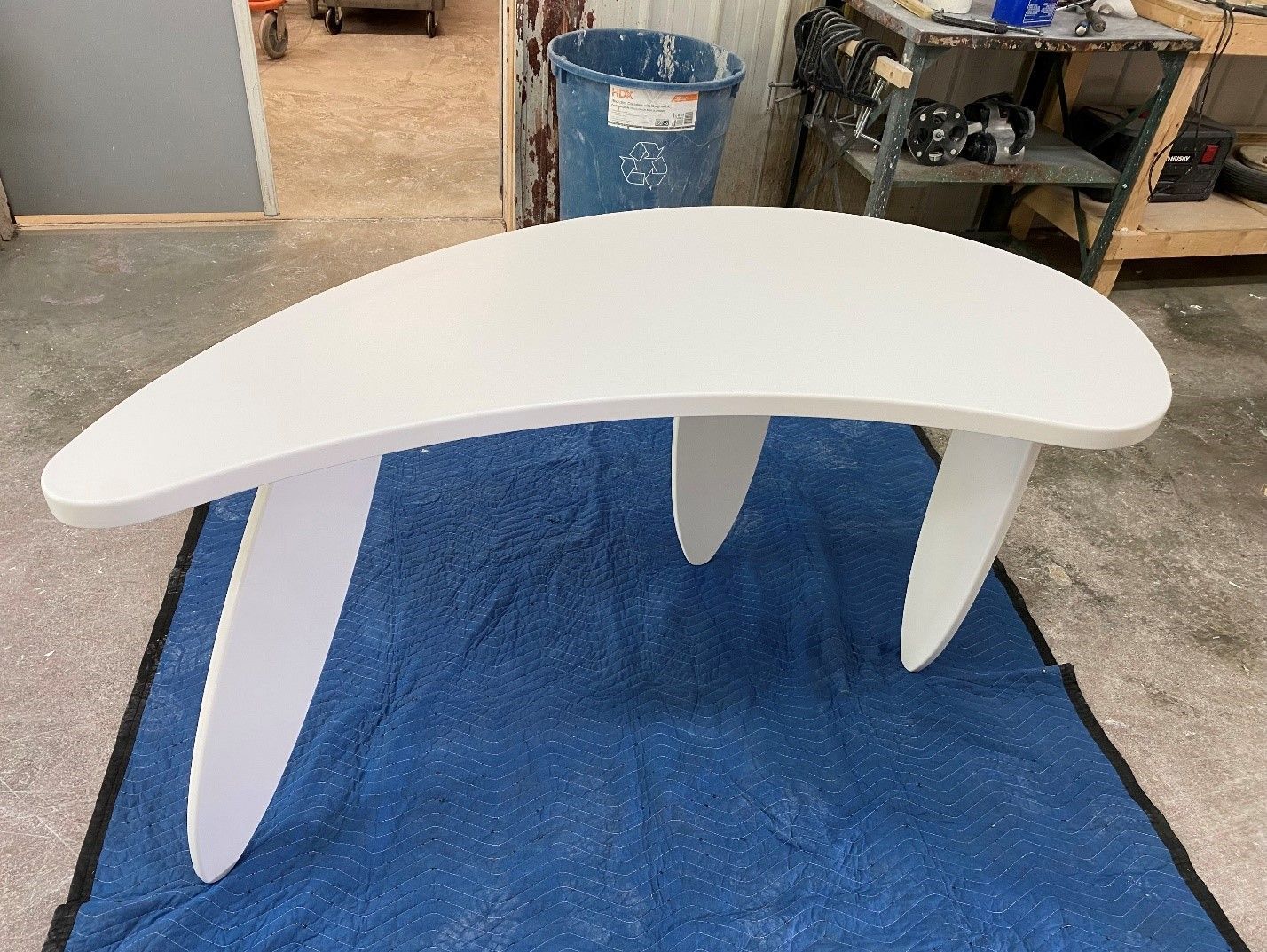
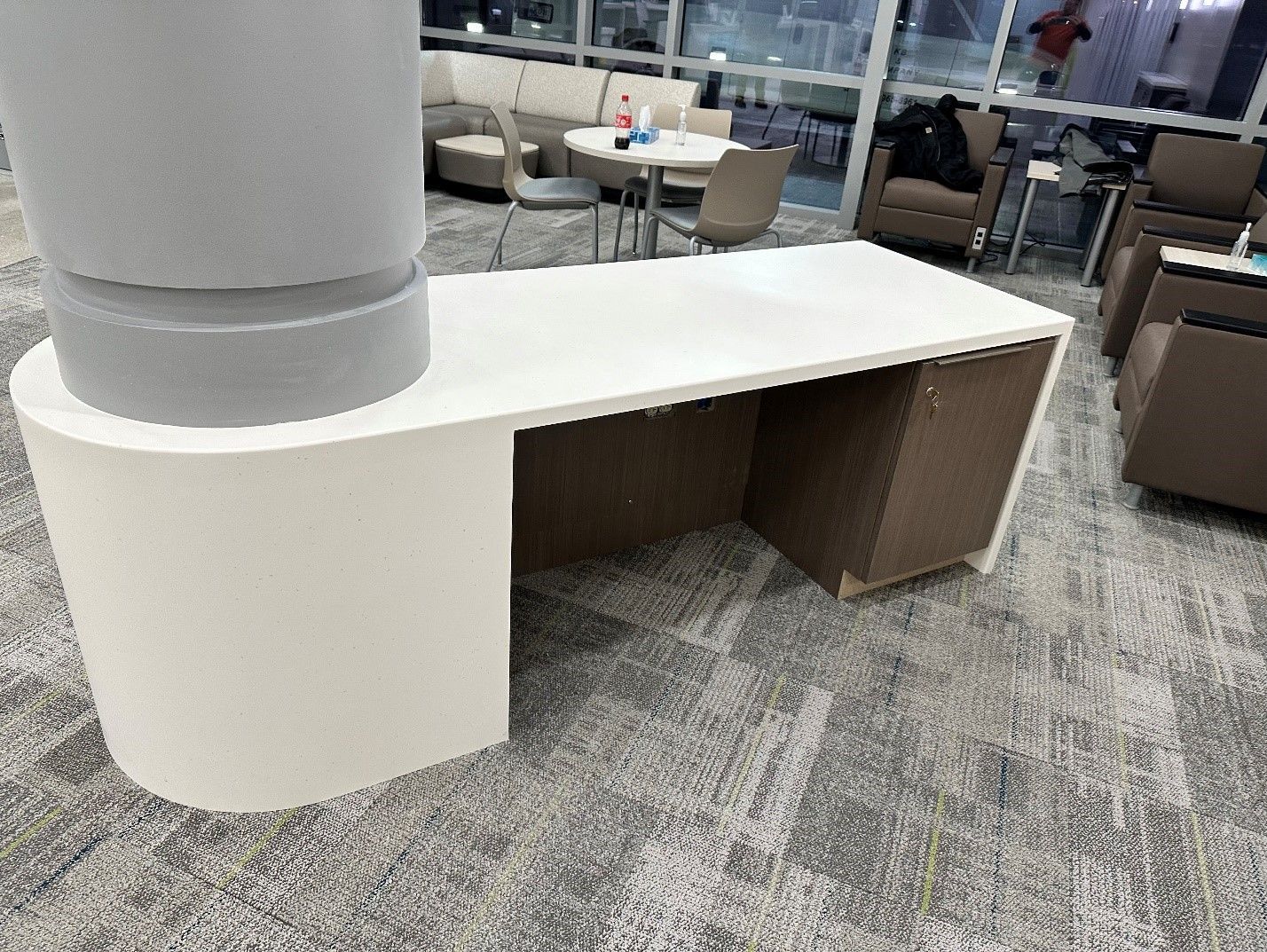
Getting a Custom Countertop in Louisville, KY, involves more steps than most homeowners expect, and understanding the full process from first consultation to final installation can help you feel confident and prepared. This article walks through every stage of ordering Custom Countertops so you know exactly what to expect before you begin.
Whether you are remodeling a kitchen in the Highlands, updating a bathroom in Crestwood, or refreshing a space in Prospect, the countertop journey follows a clear sequence of steps. Custom Countertops in Louisville, KY, are shaped by the region's mix of older homes with non-standard cabinet layouts, newer builds in the east end, and active commercial construction downtown. Knowing the process ahead of time helps avoid surprises along the way.
What Is the Process for Getting Custom Countertops Made?
The custom countertop process typically moves through five key stages: consultation, material selection, templating, fabrication, and installation. Each step builds on the last, and skipping or rushing any one of them can affect the quality of the finished result.
Step 1: Initial Consultation
The process begins with a conversation. A fabricator will ask about your space, your lifestyle, and your goals for the project. You may discuss how much use the countertop will see, whether children or pets are in the home, and what style or color direction you have in mind. This first meeting sets the tone for every decision that follows.
Come prepared with photos of your space, measurements if you have them, and any inspiration images you have collected. Homeowners in Louisville often bring photos pulled from local home tours or renovation projects in nearby areas like St. Matthews or Jeffersontown.
Step 2: Material Selection
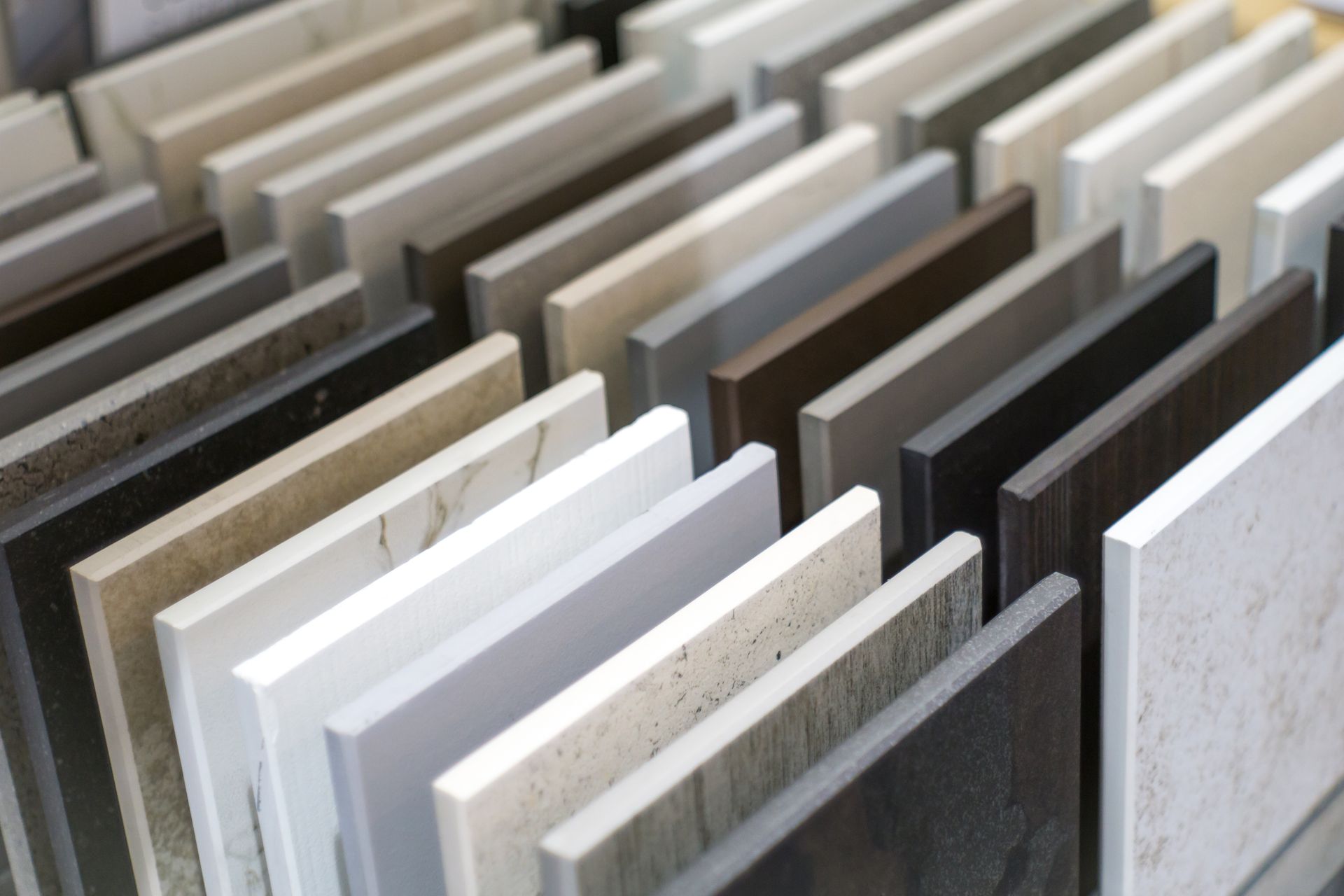
Solid surface, quartz, and granite are among the most popular choices for residential and commercial projects. Each material offers a different balance of durability, appearance, and maintenance requirements.
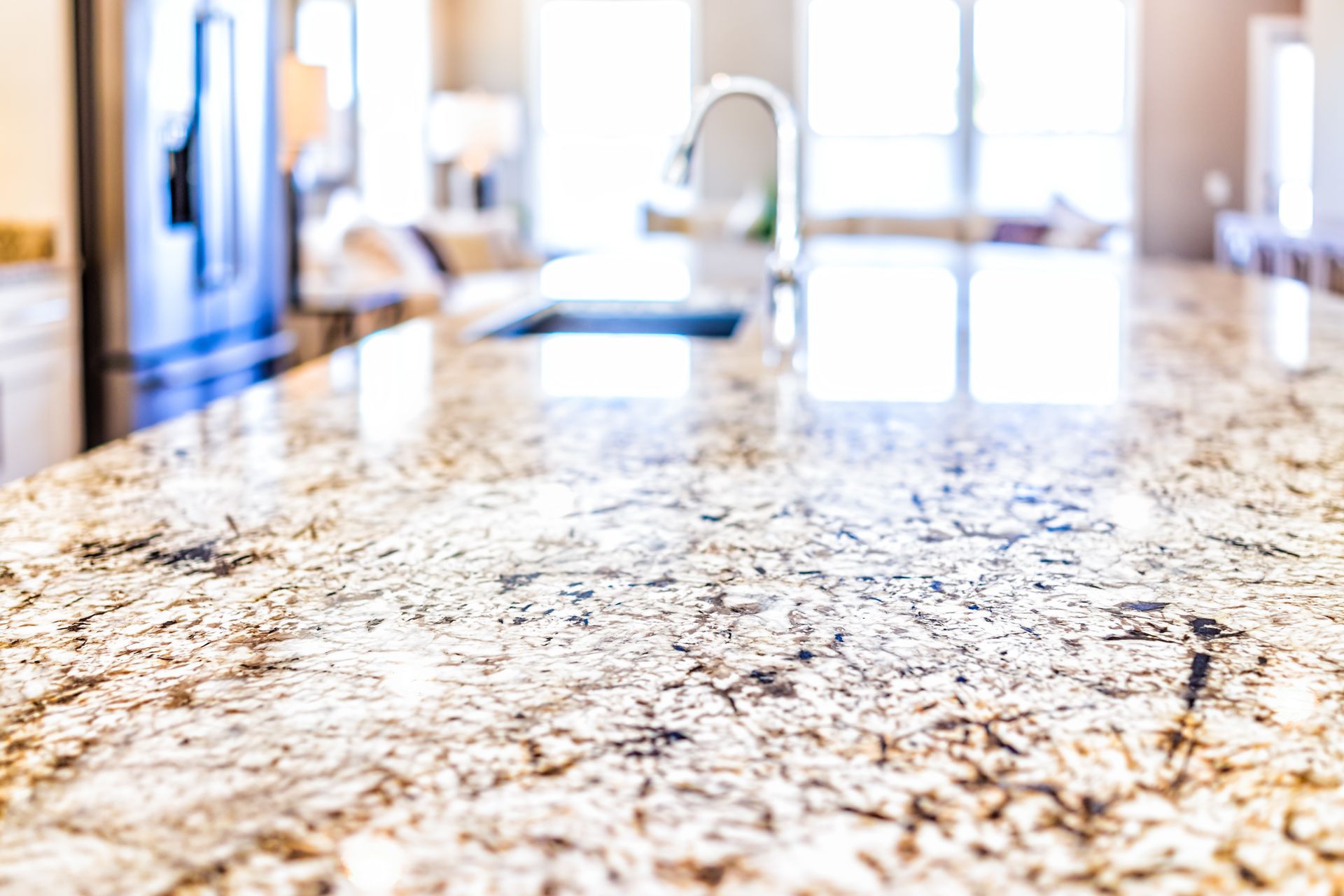
Solid surface, such as DuPont Corian, is a strong option for kitchens and bathrooms because it is non-porous, resists staining, and can be fabricated with nearly seamless joints. Quartz offers a stone-like look with engineered consistency. Granite provides natural variation that is unique to every slab. Your fabricator can guide you through samples and help match the right material to how your space will actually be used.
Step 3: Templating and Measuring
Once a material is chosen, a technician will visit your home or business to take precise measurements. This step is often called templating. The technician records exact dimensions of your countertop area, accounting for sinks, cooktops, corners, and any unusual angles your space may have.
Older homes in Louisville's Crescent Hill or Cherokee Triangle neighborhoods often have kitchens with non-standard cabinet sizes or walls that are slightly out of square. Accurate templating catches these variations early so the fabricated piece fits correctly on the first try. This step typically takes one to two hours, depending on the complexity of the layout.
Step 4: Fabrication
After templating, your countertop goes into production. The fabricator cuts the material to your exact specifications, shapes edges, and prepares cutouts for sinks or appliances. This stage requires skilled craftsmanship to get clean lines, tight joints, and a consistent finish.
Fabrication time typically ranges from a few days to about two weeks, depending on material availability, the complexity of the design, and the fabricator's current workload. More intricate edge profiles or custom shapes may extend this window slightly.
How Long Does It Take to Fabricate and Install Custom Countertops?
From initial consultation to completed installation, most custom countertop projects take anywhere from one to three weeks. The timeline depends on how quickly decisions are made, material lead times, and scheduling availability.
Step 5: Installation Day
Installation is typically completed within a single day once fabrication is finished and your space is ready. The installation team arrives with the finished countertop, removes the old surface if needed, and sets the new piece into place. Sinks and fixtures are reconnected, and the crew inspects edges and seams before the job is considered complete.
A few simple steps on your end can help the process go smoothly. Clear out the cabinets under the countertop area, disconnect or arrange to have someone disconnect plumbing if needed, and make sure the space is accessible. Your fabricator will let you know exactly what to prepare ahead of the appointment.
What to Expect After Installation
Most solid surface and quartz countertops require minimal upkeep. Gentle soap and water handle everyday cleaning, and no sealing is typically required for solid surface materials. Your installer should provide care guidance specific to the material you chose.
If a scratch or minor surface damage occurs over time, solid surface materials can often be sanded and restored without needing a full replacement. That is an advantage worth noting for busy Louisville households or high-traffic commercial environments like the local restaurants and healthcare facilities that frequently use these surfaces.
Ready to Start Your Custom Countertop Project in Louisville, KY?
KB & Company Solid Surface Custom Countertops brings more than ten years of experience to residential and commercial countertop projects across Louisville, KY, and the surrounding area. From first consultation to final installation, the team guides you through every decision with care and precision. Call
(502) 965-6961 to schedule your consultation, or reach out through
the contact page to get started. You can also learn more about available materials and services by visiting the commercial countertop installation services page.